
Tiranga Jhanda: The Pride, Identity, and Symbol of India
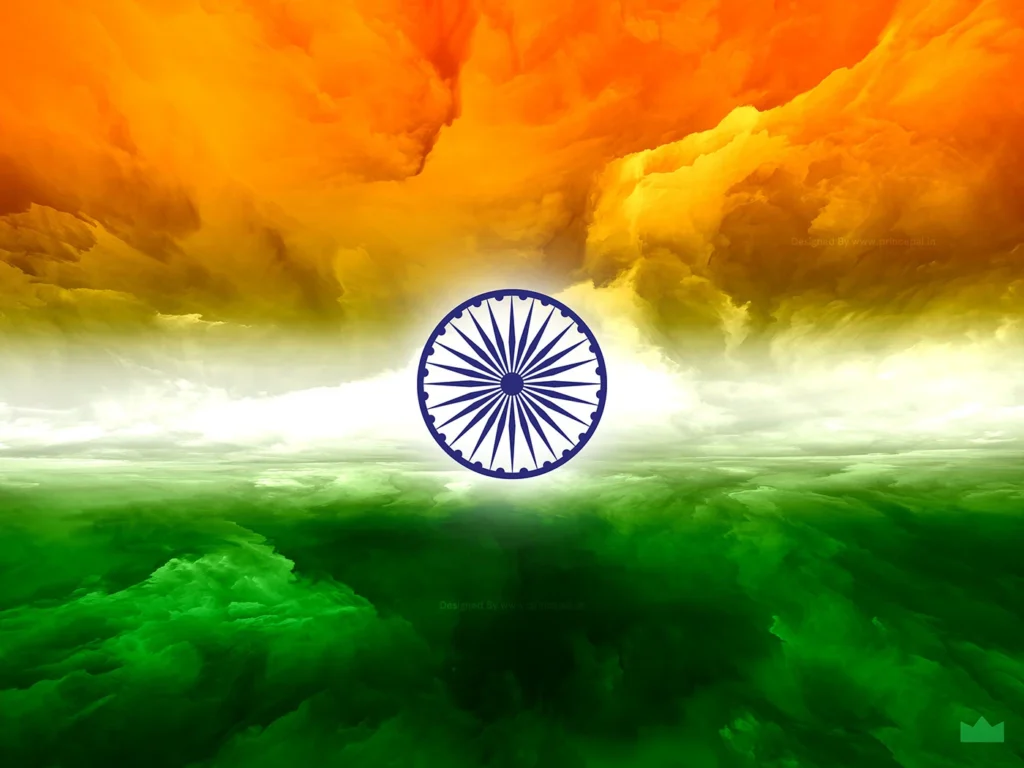
The Tiranga Jhanda, also known as the Indian National Flag, is much more than a piece of cloth. It is a powerful symbol of India’s freedom, unity, sacrifice, and democratic values. For every Indian, the Tiranga represents the soul of the nation and the long struggle for independence. Whenever the flag is hoisted or seen fluttering in the wind, it evokes a deep sense of pride, patriotism, and responsibility toward the country.
The Indian National Flag consists of three horizontal stripes—saffron (kesariya) at the top, white in the middle, and green at the bottom—with the Ashoka Chakra, a navy-blue wheel with 24 spokes, placed at the center of the white band. Each element of the Tiranga has a deep historical, cultural, and moral significance.
Historical Background of the Tiranga Jhanda
The journey of the Tiranga Jhanda is closely linked to India’s freedom movement. During the struggle against British rule, various flags were proposed and used by freedom fighters to represent unity and resistance. Over time, the need for a single national symbol that could represent the entire country became clear.
On 22 July 1947, just a few weeks before India gained independence, the Constituent Assembly of India officially adopted the present design of the national flag. The design was inspired by earlier versions used during the freedom movement and was finalized to reflect India’s values and aspirations as a sovereign nation. The flag was first hoisted as the national flag on 15 August 1947, marking the birth of independent India.
Meaning of the Three Colors of the Tiranga
The three colors of the Tiranga are not chosen randomly; each color carries a powerful message:
Saffron (Kesariya):
The saffron color at the top symbolizes courage, sacrifice, and selflessness. It represents the spirit of renunciation and the willingness of the nation’s people to put the country above personal interests. It reminds citizens of the sacrifices made by countless freedom fighters for India’s independence.
White:
The white band in the center stands for peace, truth, and honesty. It represents the path of righteousness and moral values that guide the nation. White also signifies transparency in thought and action, encouraging harmony among diverse communities.
Green:
The green color at the bottom symbolizes growth, fertility, and prosperity. It reflects India’s close relationship with nature and agriculture, which has been the backbone of the country’s economy and culture for centuries. Green also represents hope and progress.
The Significance of the Ashoka Chakra
At the center of the white stripe lies the Ashoka Chakra, a navy-blue wheel with 24 spokes. It is inspired by the Lion Capital of Ashoka at Sarnath, an ancient symbol of justice and law. The Chakra represents motion, progress, and change. It reminds citizens that life and society must keep moving forward, and stagnation leads to decline.
The 24 spokes of the Ashoka Chakra are often associated with values such as love, courage, patience, peace, faith, self-control, and righteousness. Together, they emphasize the importance of ethical living and continuous progress.
Fabric and Design of the National Flag
The Indian National Flag is traditionally made of khadi, a hand-spun and hand-woven cloth. Khadi was strongly promoted during the freedom movement as a symbol of self-reliance and resistance against British industrial goods. Using khadi for the flag reinforces the values of simplicity, independence, and respect for Indian craftsmanship.
The ratio of the flag’s length to its height is 3:2, and strict guidelines exist regarding its colors, dimensions, and display. These rules ensure uniformity and respect for the national symbol.
Rules and Respect for the Tiranga Jhanda
The Tiranga Jhanda holds a place of highest honor in India, and its use is governed by the Flag Code of India. The code outlines how and when the flag should be displayed, hoisted, and folded. It emphasizes that the flag must always be treated with dignity and respect.
The flag should never touch the ground or be used for decorative purposes like clothing or drapery. It should not be used for commercial gain or displayed in a damaged or dirty condition. These rules are meant to preserve the sanctity of the national flag and remind citizens of their duty toward the nation.
Tiranga Jhanda in National Life
The Tiranga Jhanda plays a central role in India’s national and cultural life. It is proudly hoisted on important occasions such as Independence Day and Republic Day, as well as during national events, sports victories, and international representations. Seeing Indian athletes carry the Tiranga on global platforms fills every citizen with immense pride.
In times of national crisis or celebration, the Tiranga unites people across religions, languages, and regions. It serves as a reminder that despite diversity, India stands united as one nation.
Emotional and Cultural Importance
For millions of Indians, the Tiranga Jhanda is an emotional symbol. It represents the blood, sweat, and tears of freedom fighters who dreamed of a free and united India. Saluting the flag is not just a formal gesture but an expression of gratitude and loyalty to the nation.
In schools, the national flag plays an important role in teaching children about patriotism, discipline, and civic responsibility. The sight of the Tiranga during the national anthem instills a sense of belonging and pride from a young age.
Conclusion
The Tiranga Jhanda is the heartbeat of India’s national identity. It reflects the country’s past struggles, present values, and future aspirations. Each color and symbol on the flag carries a message of unity, sacrifice, peace, and progress. Respecting the Tiranga means respecting the nation itself and upholding the ideals on which India was built.